

gym wall mirrors
Vibratie-Dempingspads voor Zware Machines Een Onmisbaar Hulpmiddel In de wereld van zware machines, waar kracht en precisie samenkomen, is het van cruciaal belang om de impact van trillingen en geluid te minimaliseren. Dit is waar vibratie-dempingspads een sleutelrol spelen. Deze pads zijn ontworpen om de negatieve effecten van trillingen te verminderen, wat leidt tot een efficiëntere werking van de machines en een betere werkomgeving. Wat zijn Vibratie-Dempingspads? Vibratie-dempingspads zijn speciale materialen die onder zware machines worden geplaatst om de overdracht van trillingen naar de ondergrond en de omliggende structuren te verminderen. Ze zijn doorgaans gemaakt van rubber, schuim, of andere speciale composieten die in staat zijn om energie te absorberen. Dit maakt ze bijzonder effectief in het dempen van de trillingen die ontstaan tijdens het gebruik van zware apparatuur zoals graafmachines, kranen, en generatoren. Voordelen van Vibratie-Dempingspads 1. Vermindering van Geluidsoverlast Een van de meest merkbare voordelen van het gebruik van vibratie-dempingspads is de aanzienlijke afname van geluidsoverlast. Zware machines kunnen een enorme hoeveelheid geluid produceren, wat niet alleen hinderlijk is, maar ook schadelijk kan zijn voor de gezondheid van werknemers op de lange termijn. Dempingspads helpen deze geluidsniveaus te verlagen, waardoor een aangenamere werkomgeving ontstaat. 2. Verlengen van de Levensduur van Machines Trillingen kunnen schadelijk zijn voor de componenten van zware machines. Door het gebruik van vibratie-dempingspads wordt de belasting op vitale onderdelen verminderd, wat kan leiden tot een langere levensduur van de machines en minder onderhoudskosten. Dit is niet alleen economisch voordelig, maar verhoogt ook de betrouwbaarheid van de apparatuur. vibration damping pads for heavy machinery 3. Verbetering van de Veiligheid Met minder trillingen en geluid wordt het risico op ongelukken in zware machine-omgevingen verminderd. Werknemers zijn beter in staat om hun omgeving te horen en zich te concentreren op hun taken, wat de algehele veiligheid verbetert. 4. Energie-efficiëntie Verminderde trillingen kunnen ook leiden tot een betere energie-efficiëntie. Machines die soepel functioneren verbruiken vaak minder energie, wat resulteert in lagere operationele kosten en een kleinere ecologische voetafdruk. 5. Flexibiliteit in Toepassingen Vibratie-dempingspads zijn beschikbaar in verschillende maten en specificaties, waardoor ze veelzijdig zijn in gebruik. Of het nu gaat om bouwmachines, industriële apparatuur of zelfs huishoudelijke apparaten, er is een oplossing beschikbaar voor elke toepassing. Kies de Juiste Vibratie-Dempingspads Het selecteren van de juiste vibratie-dempingspads is essentieel voor het behalen van de voordelen. Factoren zoals het gewicht van de machine, de frequentie van de trillingen, en de aard van het surface waar de machine op staat spelen allemaal een rol bij de keuze van het type pad. Het is raadzaam om advies in te winnen bij een specialist op het gebied van trillingsbeheer om de beste oplossing voor uw specifieke situatie te vinden. Conclusie In de hedendaagse industriële wereld zijn vibratie-dempingspads voor zware machines niet alleen een luxe, maar een noodzaak. Hun voordelen op het gebied van geluidsreductie, verlengde levensduur van apparatuur, verbeterde veiligheid en energie-efficiëntie maken ze tot een onmisbaar onderdeel van moderne machinevoorzieningen. Door te investeren in deze technologie kunnen bedrijven niet alleen hun operationele kosten verlagen, maar ook een productievere en aangenamere werkomgeving creëren voor hun medewerkers. Het gebruik van vibratie-dempingspads is een slimme zet die zich op de lange termijn zeker zal terugbetalen.
about
gym wall mirrors
The Indispensable Role of Rebar in Concrete Construction Rebar, an abbreviation for reinforcing bar, stands as a fundamental element in the world of concrete construction. It is a steel bar or mesh of steel wires used to reinforce concrete and masonry structures, enhancing their strength and stability. The synergy between rebar and concrete forms a robust structural system that is capable of withstanding immense loads and stresses. Concrete, by its nature, is strong in compression but weak in tension. This inherent weakness is where rebar comes into play. The tensile strength of rebar compensates for concrete's deficiency, creating a composite material that can endure both compressive and tensile forces effectively. When concrete hardens, it holds the rebar in place, while the rebar resists any attempt to pull the concrete apart, thus providing the necessary structural integrity. The use of rebar in concrete dates back to ancient Rome, where iron bars were embedded in concrete to reinforce structures like aqueducts and arches. Today, rebar is manufactured in various grades and sizes, each designed for specific applications, from residential buildings to massive infrastructure projects like bridges and high-rise towers. The process of incorporating rebar into concrete is meticulous. It involves placing the steel bars or mesh within the formwork before pouring the wet concrete It involves placing the steel bars or mesh within the formwork before pouring the wet concrete It involves placing the steel bars or mesh within the formwork before pouring the wet concrete It involves placing the steel bars or mesh within the formwork before pouring the wet concrete rebar stands for concrete . Once the concrete sets, a bond is formed between the steel and the concrete, creating a unified structure. This bond, along with the mechanical interlock provided by the rough surface of the rebar, ensures that the two materials act together when subjected to stress. Rebar not only improves the structural performance of concrete but also extends the lifespan of structures. By absorbing and distributing stress, it reduces the risk of cracks and deformation, thereby preventing premature failure. Moreover, it enhances seismic resistance, making buildings more resilient to earthquakes. In recent times, with a focus on sustainability, researchers have developed advanced types of rebar such as fiber-reinforced polymers, which offer corrosion resistance and lighter weight, reducing the carbon footprint of construction. In conclusion, rebar, the backbone of concrete structures, plays a pivotal role in modern construction. Its significance lies not just in its ability to strengthen concrete but also in its contribution to safety, durability, and resilience. As technology advances, the future of rebar and concrete collaboration promises even more innovative solutions to the challenges of construction, ensuring that our built environment remains robust and sustainable.
-

High quality industrial productsagement

High quality industrial products
View Details -

Meet the diverse needs of customers

Meet the diverse needs of customers
View Details -

Strict quality control

Strict quality control
View Details -

Top raw materials

Top raw materials
View Details -

Trusted supplier

Trusted supplier
View Details
Our application


news and information

Versatile Clamps for Effective Fabrication Table Applications and Projects
Fabrication Table Clamps Essential Tools for Precision in Manufacturing In the realm of manufacturin
y strainer cast iron
The Benefits and Applications of Y-Strainer in Cast Iron In various industrial applications, one of

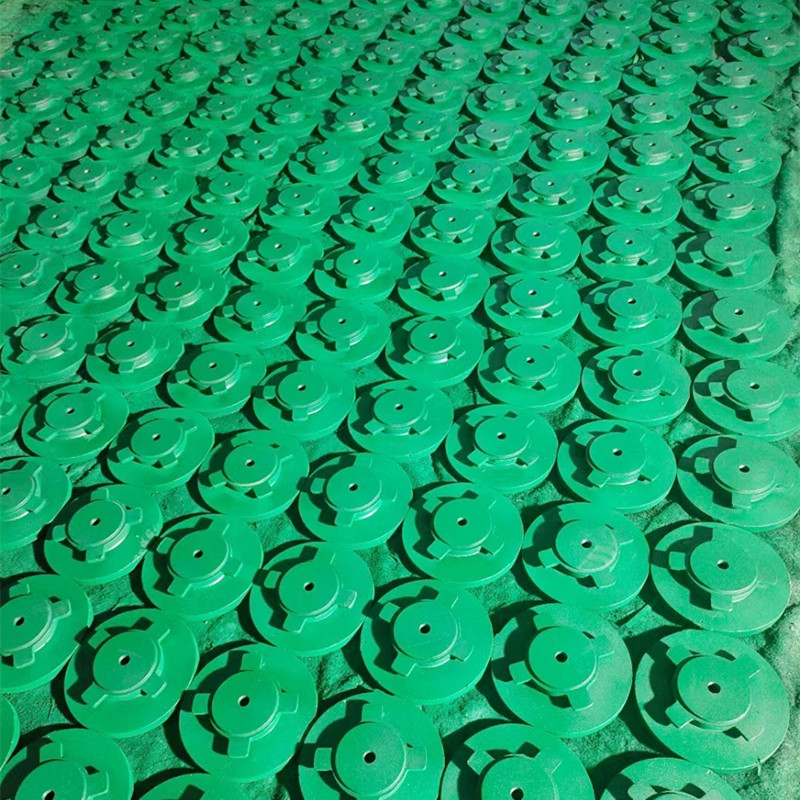
wood frame truss nail plate
Understanding Wood Frame Truss Nail Plates A Structural Perspective In the realm of modern construct
 English